
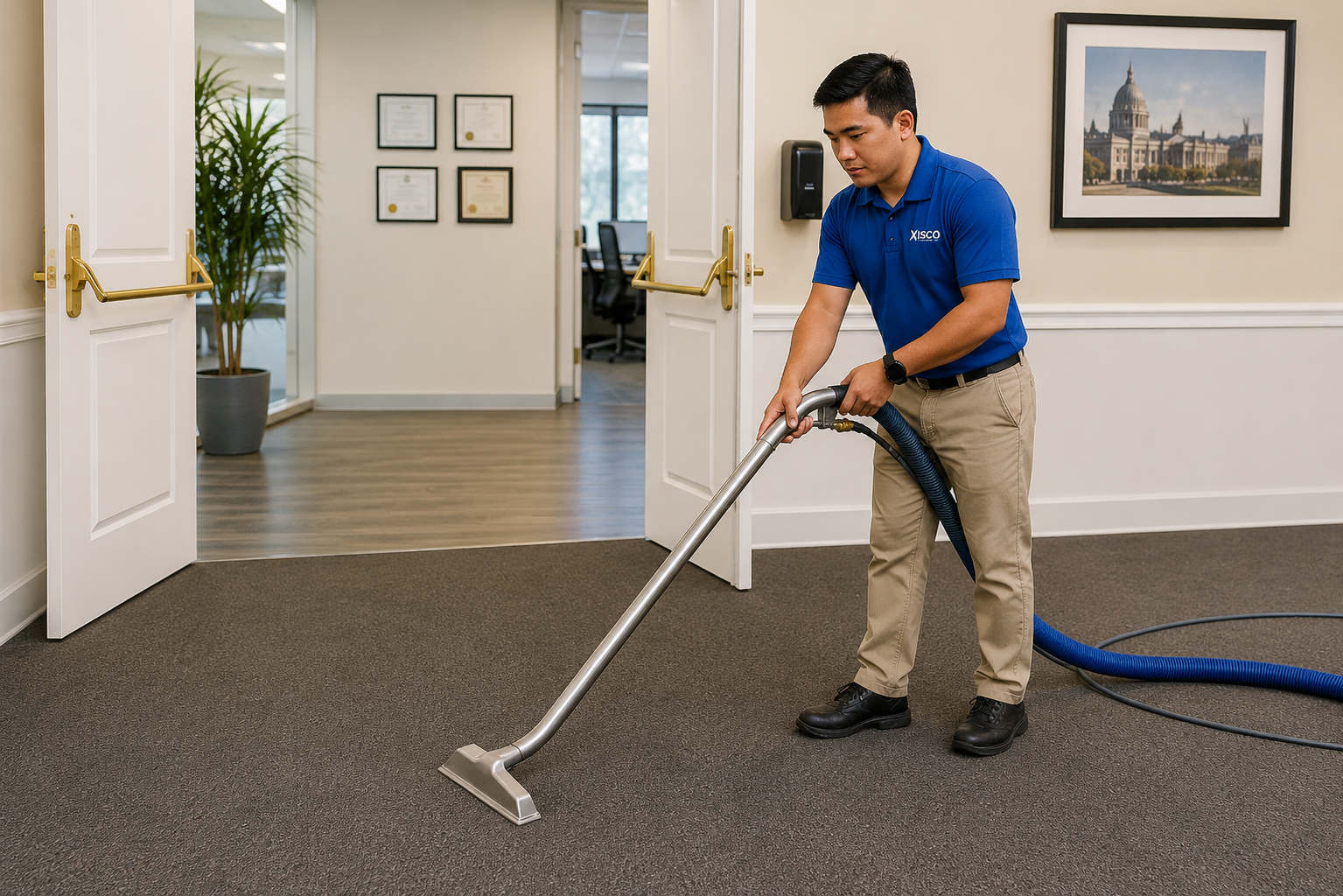
Introduction
Workplace cleanliness plays a major role in employee well-being, operational efficiency, and overall business performance. Across the Philippines, organizations are placing greater emphasis on maintaining hygienic and professionally managed environments that support productivity, workplace safety, and positive employee experiences.
Professional workplace cleaning goes beyond routine housekeeping. It involves structured sanitation processes, proper disinfection practices, and operational standards that help businesses maintain healthier and more productive work environments.
According to the Centers for Disease Control and Prevention (CDC) , proper workplace cleaning and disinfection significantly help reduce the spread of viruses, bacteria, and contaminants in shared environments.
As modern workplaces continue evolving through hybrid work models, increased foot traffic, and higher hygiene expectations, businesses require cleaning systems that support long-term workplace health and operational continuity.
The Importance of Workplace Hygiene
Healthier Work Environments
Routine cleaning and sanitation help reduce contamination risks in frequently used workplace areas such as desks, elevators, pantry spaces, meeting rooms, reception counters, and restrooms.
Maintaining cleaner environments contributes to employee wellness, lower absenteeism, and safer workplace conditions.
Improved Employee Productivity
Employees perform better in environments that are clean, organized, and professionally maintained. Cleaner spaces reduce distractions and improve comfort, focus, and workplace morale.
The Occupational Safety and Health Administration (OSHA) highlights the importance of workplace hygiene and safe operational environments in supporting employee well-being and workplace productivity.
Stronger Professional Image
Workplace cleanliness directly affects how clients, visitors, and business partners perceive an organization. Clean facilities communicate professionalism, discipline, and operational excellence.
Long-Term Facility Preservation
Proper cleaning practices help preserve office furniture, carpets, flooring, fixtures, and workplace equipment by preventing premature wear, dirt buildup, and moisture-related damage.
Common Workplace Areas That Require Frequent Cleaning
Certain workplace areas experience higher foot traffic and greater exposure to contaminants, making regular cleaning and disinfection especially important.
- Desks and shared workstations
- Conference and meeting rooms
- Reception and lobby areas
- Elevator buttons and door handles
- Restrooms and pantry facilities
- Shared office equipment and devices
- Hallways and high-traffic walkways
Structured workplace cleaning programs help maintain hygiene standards across these critical operational spaces.
Modern Workplace Cleaning Standards
Businesses today require more advanced workplace cleaning practices than ever before. Modern cleaning standards now prioritize:
- Routine disinfection of high-touch surfaces
- Proper chemical handling and safety procedures
- Use of eco-friendly cleaning products
- Indoor air quality improvement
- Preventive sanitation measures
- Operational consistency through SOPs
These standards help businesses create safer, healthier, and more sustainable workplace environments.
The Role of Professional Cleaning in Employee Wellness
Workplace hygiene has become closely connected to employee wellness and workplace satisfaction. Employees are more likely to feel comfortable, motivated, and productive in environments that are consistently clean and properly maintained.
Cleaner workplaces also contribute to reduced stress, improved workplace morale, and better overall employee experiences.
How XISCO Supports Workplace Hygiene Excellence
XISCO supports businesses through structured workplace cleaning systems, nationally recognized training standards, and integrated facility management expertise.
TESDA-Recognized Cleaning Competency Training
XISCO trains cleaning personnel through a TESDA-recognized competency framework aligned with:
Facility Cleaning & Disinfecting Level II
This ensures cleaning personnel follow nationally recognized workplace sanitation procedures, operational standards, and proper safety practices.
Learn more about the Technical Education and Skills Development Authority (TESDA) .
Continuous Workforce Development
Through structured competency development and operational training, XISCO continuously enhances workforce capability to maintain consistent workplace cleaning standards and operational reliability.
Integrated Workplace Support Expertise
Workplace cleaning is most effective when aligned with broader operational support systems and workplace management strategies.
Learn more about our:
- Cleaning Services
- Integrated Facility Management Solutions
- Facility Management Services
- Property Management Services
Industries That Prioritize Workplace Hygiene
Professional workplace cleaning standards are critical across industries where employee safety, operational efficiency, and customer experience are essential.
- BPO and IT Facilities
- Finance and Banking Offices
- Real Estate and Commercial Properties
- Industrial and Manufacturing Facilities
Conclusion
Workplace cleanliness is no longer simply about appearance — it is a critical part of employee wellness, workplace safety, and operational efficiency. Businesses that prioritize professional cleaning standards create healthier, safer, and more productive environments for employees and visitors alike.
Through nationally recognized training systems, structured operational standards, and integrated workplace expertise, XISCO helps organizations maintain cleaner and higher-performing workplace environments across the Philippines.
Ready to improve workplace hygiene and operational standards?
Contact XISCO today to learn more about professional workplace cleaning solutions tailored to your operational needs.
Frequently Asked Questions
Why is workplace cleaning important?
Workplace cleaning helps maintain hygiene, reduce contamination risks, improve employee wellness, and support safer and more productive work environments.
What workplace areas require frequent cleaning?
High-touch surfaces such as desks, conference rooms, elevators, pantry areas, reception counters, and restrooms require routine cleaning and disinfection.
How does workplace cleanliness affect productivity?
Clean and organized workplaces reduce distractions, improve employee comfort, and create environments that support better focus and operational efficiency.
What cleaning standards are important for modern workplaces?
Modern workplaces prioritize routine disinfection, eco-friendly cleaning practices, proper chemical handling, indoor air quality, and standardized operational procedures.
How does XISCO support workplace hygiene?
XISCO supports workplace hygiene through TESDA-recognized cleaning competency training, structured operational systems, and integrated facility management expertise.
Can workplace cleaning programs be customized?
Yes. Workplace cleaning programs can be tailored according to operational schedules, workplace size, sanitation requirements, and business needs.